Types of Solar Maintenance
1. Routine Cleaning
- Dust, dirt, bird droppings, and debris can block sunlight and reduce efficiency.
- Cleaning every 6-12 months (or more frequently in dusty areas) is recommended.
- Use soft brushes, water, and mild soap; avoid abrasive materials that may scratch the panels.
- For floating solar panels, algae buildup and water debris should also be monitored.
2. Electrical System Check
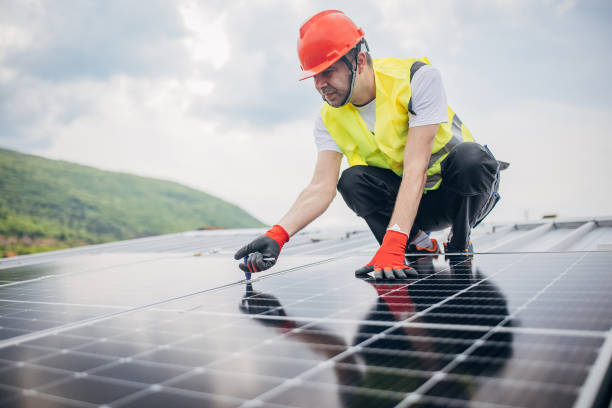
- Inspect wiring, inverters, and connectors for wear, corrosion, or loose connections.
- Ensure no rodents or pests are damaging cables.
- Verify inverter readings to ensure optimal power conversion.
3. Performance Monitoring
- Use a solar monitoring system to track energy production.
- Sudden drops in performance could indicate dirt buildup, shading issues, or faulty components.
- Compare output data to expected performance benchmarks.
4. Preventive Maintenance
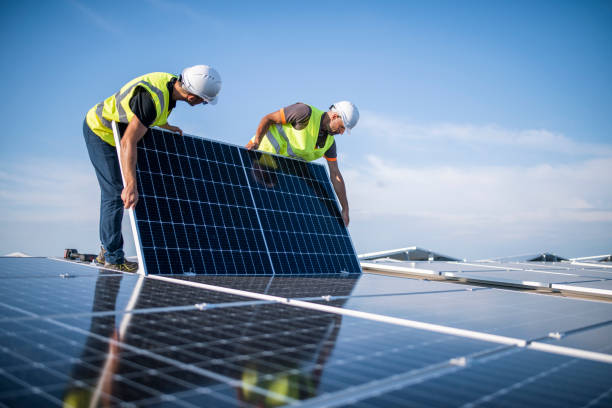
- Check for cracks, moisture damage, or delamination in panels.
- Ensure mounting structures are secure and withstand environmental conditions (wind, storms, etc.).
- In floating solar systems, inspect buoyancy structures and anchoring systems regularly.
5. Inverter and Battery Maintenance (If Applicable)
- Solar inverters usually last 10-15 years but should be checked annually.
- Battery storage systems (if present) require regular charge/discharge cycling and temperature regulation for longevity.
Best Practices for Solar Panel Maintenance
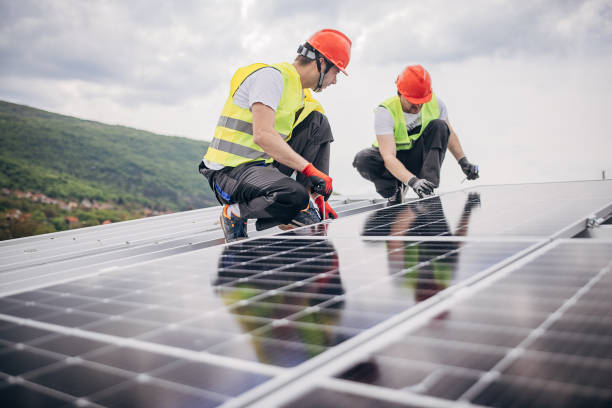
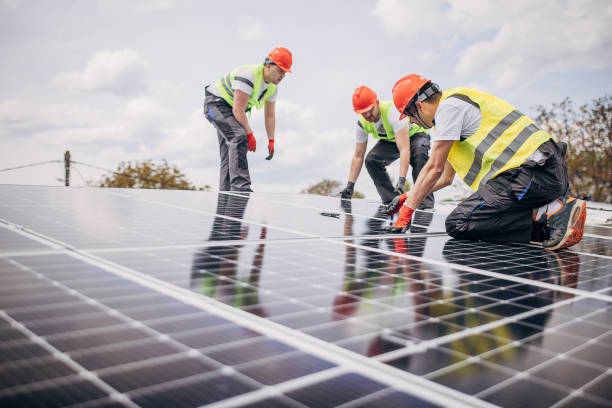
✅ Regular Inspections – Schedule annual professional inspections.
✅ Use Soft Cleaning Methods – Avoid pressure washers or abrasive tools.
✅ Trim Surrounding Trees – Minimize shading and prevent falling debris.
✅ Monitor System Performance – Identify potential issues early.
✅ Hire Certified Technicians – For complex issues like electrical faults.